

What Is Individual Disability Insurance?
Individual disability insurance, often called disability income insurance, is a policy you own that replaces a portion of your income, commonly 50 to 70 percent, if a covered illness or injury keeps you from working. Because you pay the premium with your own after-tax dollars, benefits are generally received income tax free.
Short-term disability insurance covers the first stretch, typically paying benefits for a few months after a brief waiting period. Long-term disability insurance picks up from there and can pay for years, in some policies to retirement age. Two levers shape every policy: the elimination period, how long you wait before benefits start, and the benefit period, how long they last. Stronger policies also use an own-occupation definition, which pays when you cannot do your specific job rather than any job at all.
This coverage does the most for people without an employer safety net. If you are self-employed, there is no group plan behind you, and carriers will qualify you using tax returns and 1099s. If you do have coverage at work, an individual policy fills the gap above group caps and follows you when you change jobs. Employers building a plan for their team should start with group disability insurance instead, where group pricing and guaranteed-issue minimums apply.
Who We Can Help
If someone depends on your paycheck, disability coverage belongs in your plan. Saint Moore works with:
- Self-employed professionals and business owners with no employer coverage behind them
- 1099 contractors and commission earners whose income stops when the work stops
- Employees without long-term disability at work
- Higher earners whose group plan caps out below their real income
- Sole breadwinners whose household runs on one paycheck
Cover the first months, the long haul, or both. We build the elimination and benefit periods around your savings and your risk.
Stronger policies pay when you cannot do your job, even if you could technically do another one. We flag which quotes include it.
Self-employed or W-2, we document your income the way carriers want it so your benefit reflects what you actually earn.
How to Get Disability Coverage with Saint Moore
Getting covered is simple. Here’s how to get your policy started with Saint Moore in four easy steps.

Protecting your paycheck takes one conversation and a little paperwork, and we handle the heavy lifting.
Step 1: Tell Us About Your Work and Income
Call us at (909) 793-2151 or request a quote online. We talk through what you earn, what you have saved, and how long you could go without a paycheck.
Step 2: We Compare Carriers
We quote multiple carriers, comparing benefit amounts, elimination periods, benefit periods, and own-occupation definitions.
Step 3: Review a Clear Comparison
You see what each policy pays, when it starts, how long it lasts, and what it costs, in plain language.
Step 4: Apply and Get Covered
We walk the application and income documentation with you and stay your point of contact after the policy is in force. That is the Saint Moore difference.




Local roots. Nationwide reach.
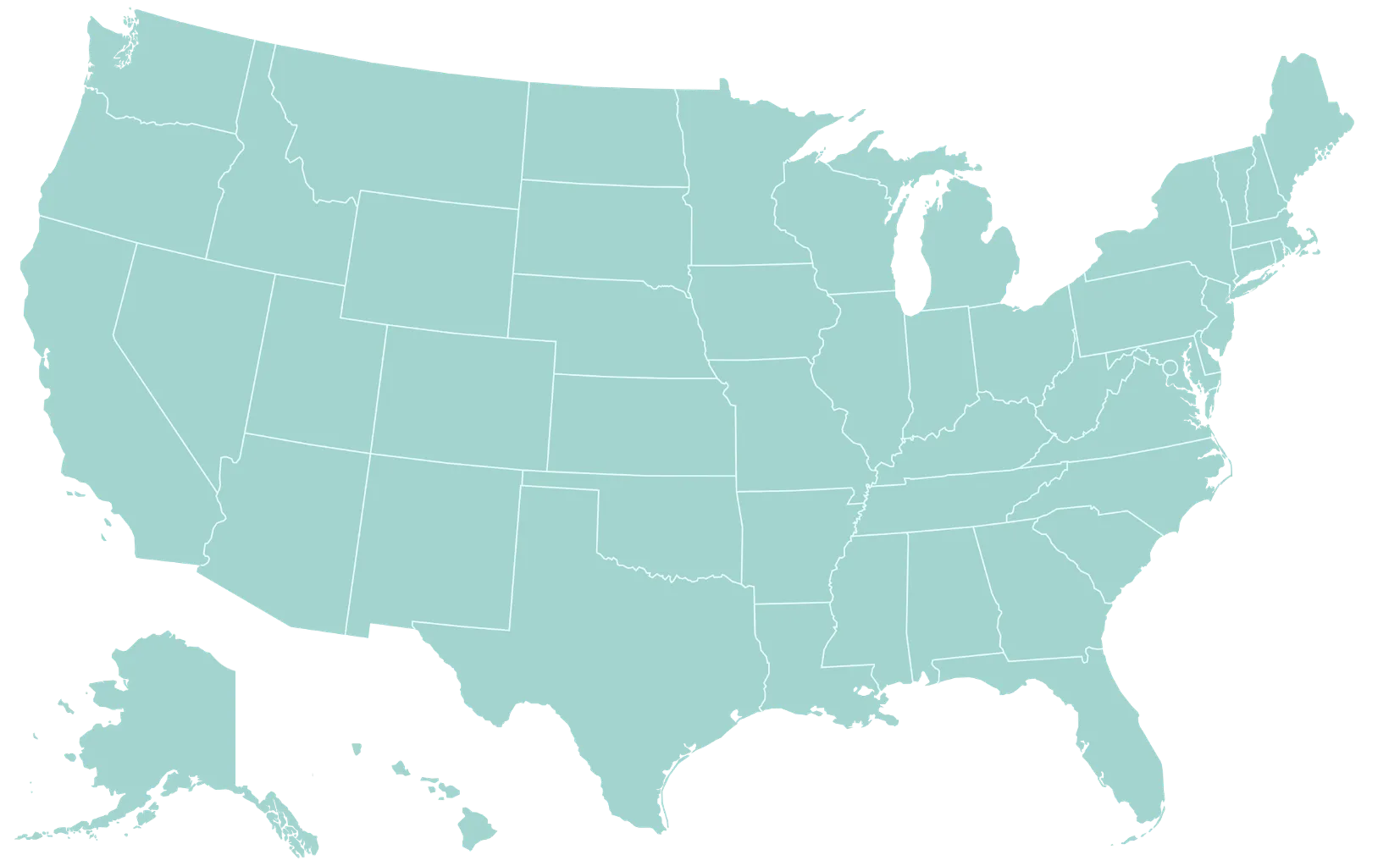
St. Moore is headquartered in Redlands, CA, and deeply rooted in the Inland Empire but our carrier network covers all 50 states. Whether you're a local homeowner, a regional business, or have assets across multiple states, we have the market access to protect them.
Ready to Protect Your Paycheck?
Request a free individual disability insurance quote from Saint Moore. We will compare carriers and build income protection around the way you earn.

Most policies replace 50 to 70 percent of gross income up to the policy's monthly maximum. When you pay the premium yourself with after-tax dollars, benefits are generally received income tax free.
It is the waiting period between when you become disabled and when benefits begin, commonly 30 to 90 days. A longer elimination period lowers your premium, so we set it based on your savings cushion.
Yes. Carriers qualify self-employed applicants using tax returns and 1099s, and this is often the single most important policy for business owners since no employer plan stands behind them.
Often, yes. Group long-term disability typically caps at around 60 percent of salary with a monthly maximum, and benefits are usually taxable when the employer pays the premium. An individual policy fills the gap and stays with you when you change jobs.