
What Is Condo Insurance (HO-6)?
Condo insurance — also called an HO-6 policy — is home insurance designed specifically for condominium owners. It covers the interior of your unit and your personal belongings, and it picks up where your HOA's master policy leaves off.
Here's the key distinction: your condo association carries a master policy that covers the building's exterior, roof, and shared common areas like hallways, pools, and gyms. What it typically does not cover is the inside of your unit — your walls, floors, fixtures, appliances, furniture, electronics, and personal liability. That's what an HO-6 is for.
Unlike an HO-3 homeowners policy — which covers the entire structure of a standalone home from the foundation up — an HO-6 is a "walls-in" policy. It generally covers only what's inside your unit and what you're personally responsible for. Coverage terms and what's included can vary by policy and carrier, so it's always worth reviewing the details with your agent.
Who Needs Condo Insurance?
If you own a condo in California, you need an HO-6 policy. It doesn't matter whether you live in it full-time, use it as a second home, or rent it out — your HOA's master policy was never designed to protect you individually.
Condo insurance is especially important if you're in a building with a high-deductible master policy — common in California HOAs. When a major loss happens like a fire or burst pipe, the HOA can issue a special assessment, billing every unit owner their share of whatever the master policy didn't cover. Without the right HO-6 condominium insurance, that bill lands entirely on you.
Covers your furniture, electronics, clothing, and other belongings if they're damaged by covered perils like fire, theft, or water damage. Coverage limits and what's included vary by policy and carrier.
Covers your unit's interior — flooring, cabinetry, fixtures, and built-ins — that your HOA's master policy typically does not include. This fills one of the most common and costly gaps condo owners face.
Helps protect you if someone is injured inside your unit and you're found responsible for damages or legal costs — coverage your HOA's master policy does not extend to you individually.
How to Get Condo Insurance with Saint Moore
Getting covered is simple. Here’s how to get your policy started with Saint Moore in four easy steps.

Getting the right HO-6 coverage starts with understanding what your HOA already covers — and building your personal policy around the gaps.
Step 1: Review Your HOA Master Policy
Before we quote your HO-6, we want to understand what your HOA already covers so we can identify the gaps and make sure your personal policy fills them properly. Bring your HOA's master policy to the conversation if you have it.
Step 2: We Build the Right Coverage
Saint Moore Insurance Agency compares HO-6 options across multiple carriers to find a policy that fits your unit, your belongings, and your budget. We walk you through coverage limits in plain language — no jargon.
Step 3: Consider California-Specific Add-Ons
California condo owners should ask their agent about optional endorsements like increased loss assessment coverage, earthquake coverage, and water backup protection. These are not typically included in a standard HO-6, but can be critical depending on your building and location.
Step 4: Get Covered
Most condo policies can be activated quickly. You'll know exactly what's protected and what your HOA handles — no guessing, no gaps.



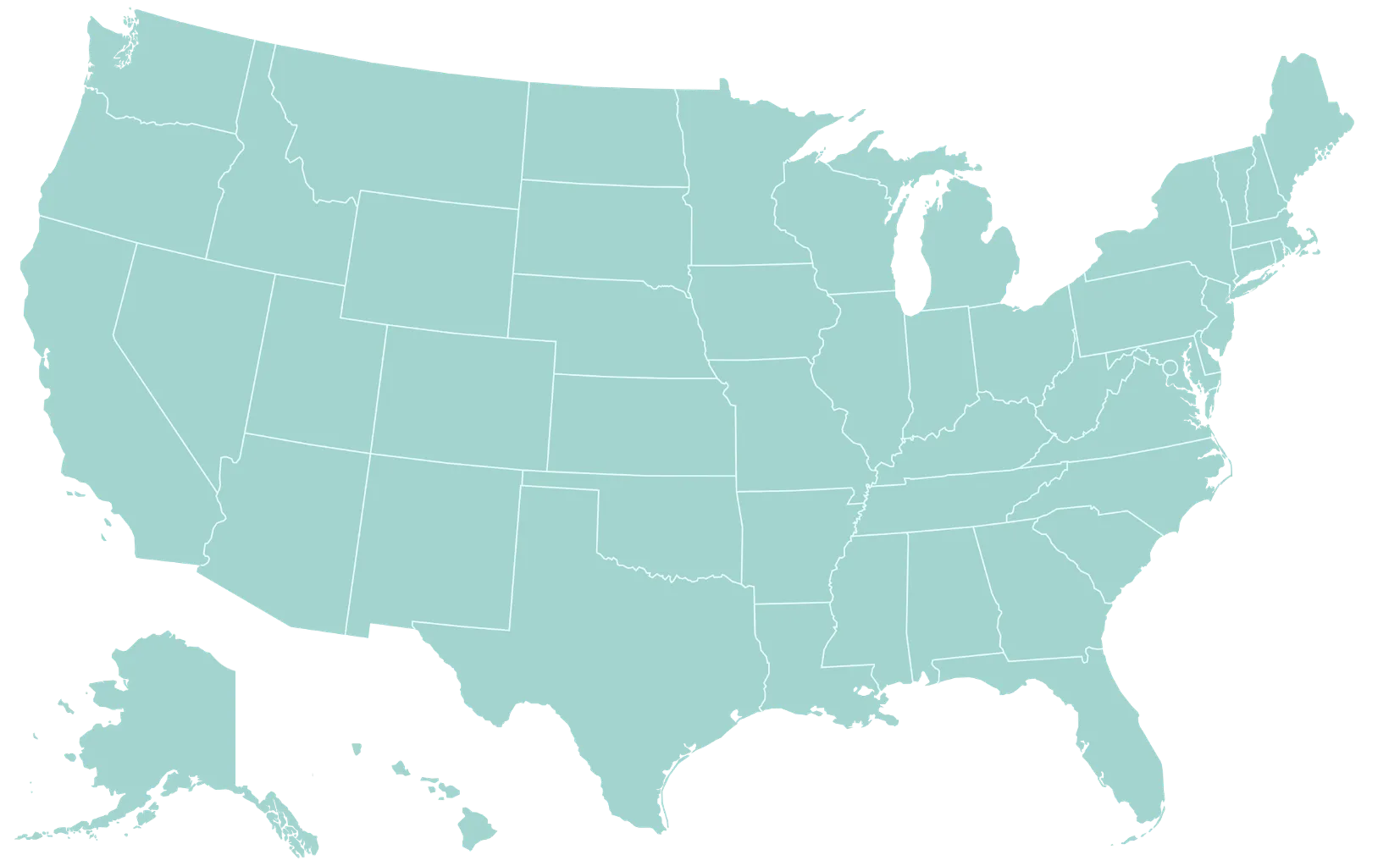

Local roots. Nationwide reach.
St. Moore is headquartered in Redlands, CA, and deeply rooted in the Inland Empire but our carrier network covers all 50 states. Whether you're a local homeowner, a regional business, or have assets across multiple states, we have the market access to protect them.
Ready to Know What Your Condo Insurance Actually Covers?
Call Saint Moore Insurance Agency at (909) 793-2151, visit our Redlands office at 1150 Brookside Ave Suite Q, or request a quote online. We'll review your HOA policy and find an HO-6 that fills the gaps the right way.

Your HOA's master policy covers the building's exterior, roof, shared hallways, pools, and other common areas. It does not cover the inside of your individual unit, including your flooring, cabinets, fixtures, appliances, personal belongings, or your personal liability. That's exactly what your own HO-6 condo insurance policy is designed to cover. Think of it this way: the HOA covers the building. You cover your home inside it.
A loss assessment happens when a covered event, like a major fire or storm, causes damage that exceeds what your HOA's master policy covers. The association then bills each unit owner for their share of the uncovered cost. This can run into the thousands or even tens of thousands of dollars. Many standard HO-6 policies include a small amount of loss assessment coverage (often just $1,000), but in California, where HOA deductibles can be $25,000 or more, that's rarely enough. It's worth asking your agent about increasing this limit, which often costs only a few extra dollars per year for significantly more protection.
No. Earthquake damage is typically excluded from standard HO-6 policies in California. If you want protection against earthquake damage to your unit or belongings, you'll need a separate earthquake insurance policy. In California, this is often available through the California Earthquake Authority (CEA) or through private carriers. If you own a condo in an earthquake-prone area, this is worth discussing with your agent at Saint Moore Insurance Agency.
A standard HO-6 policy covers the basics, but California condo owners may want to ask their agent about these optional endorsements:
- Increased Loss Assessment Coverage: Standard limits are often just $1,000. Consider increasing to $50,000 or more given California HOA deductible levels.
- Earthquake Coverage: Not included in a standard HO-6. Available as a separate CEA or private carrier policy.
- Water Backup Endorsement: Covers damage from sewer or drain backup, which standard policies typically exclude.
- Scheduled Personal Property: For high-value items like jewelry, fine art, or collectibles that may exceed standard personal property limits.
Coverage availability and terms vary by carrier and policy. Talk to a Saint Moore Insurance Agency agent to understand what makes sense for your specific situation.